Leather
Leather is a natural and durable material that has been used for centuries in leather goods, footwear, furniture, and fashion. Made from animal hides processed through a procedure called tanning, it is known for its durability, suppleness, and ability to develop a patina over time.
At Adapta, we make the most of this fine material by giving it a second life through the reuse of leather from luxury brands’ dormant inventory. This approach combines quality, traceability, and the circular economy.
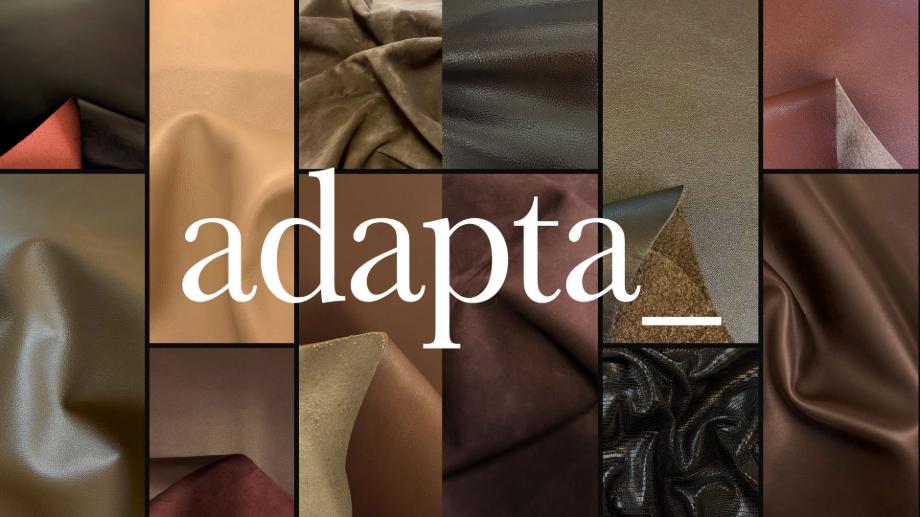
What is leather?
Leather is particularly popular for several reasons:
- its exceptional durability
- its ability to change over time thanks to its patina
- its natural and unique appearance
- its versatility across many fields: fashion, design, furniture, and accessories.
In the fashion industry, it is considered a premium material because of its quality and durability.
The Different Types of Leather
There are many types of leather, which differ depending on the animal, the part of the hide used, and the finish.
Full-grain leather
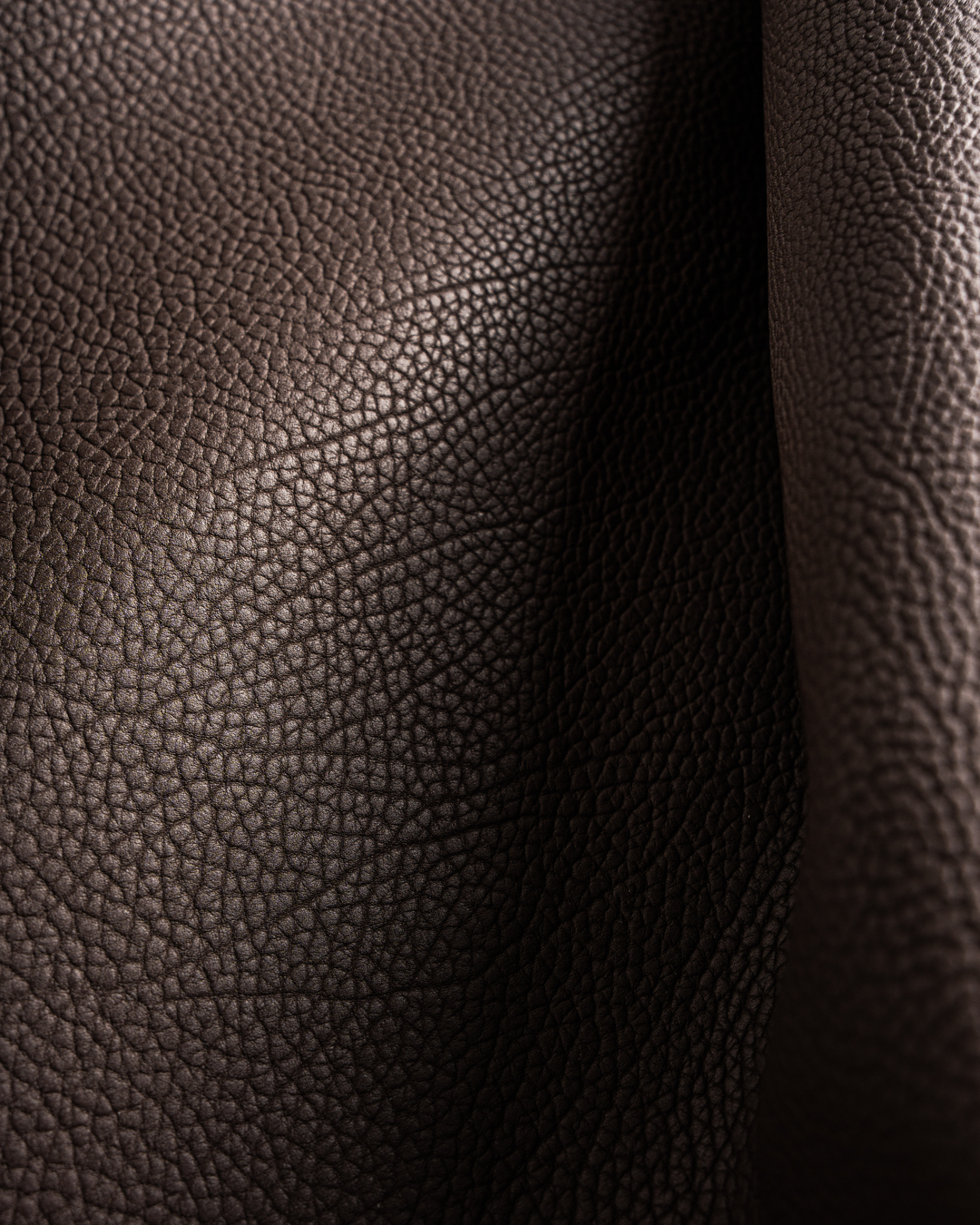
Full-grain leather is the finest part of the hide. It retains its natural grain and all its characteristics, making it a particularly sought-after leather for high-end products.
Corrected-grain leather
The leather is sanded on the grain side and given a mostly textured, matte finish.
Leather crusts
The material is made primarily from split cowhide, buffalo hide, or pigskin. The surface is given a thick, opaque finish, either smooth or grained, which gives it the appearance of leather.
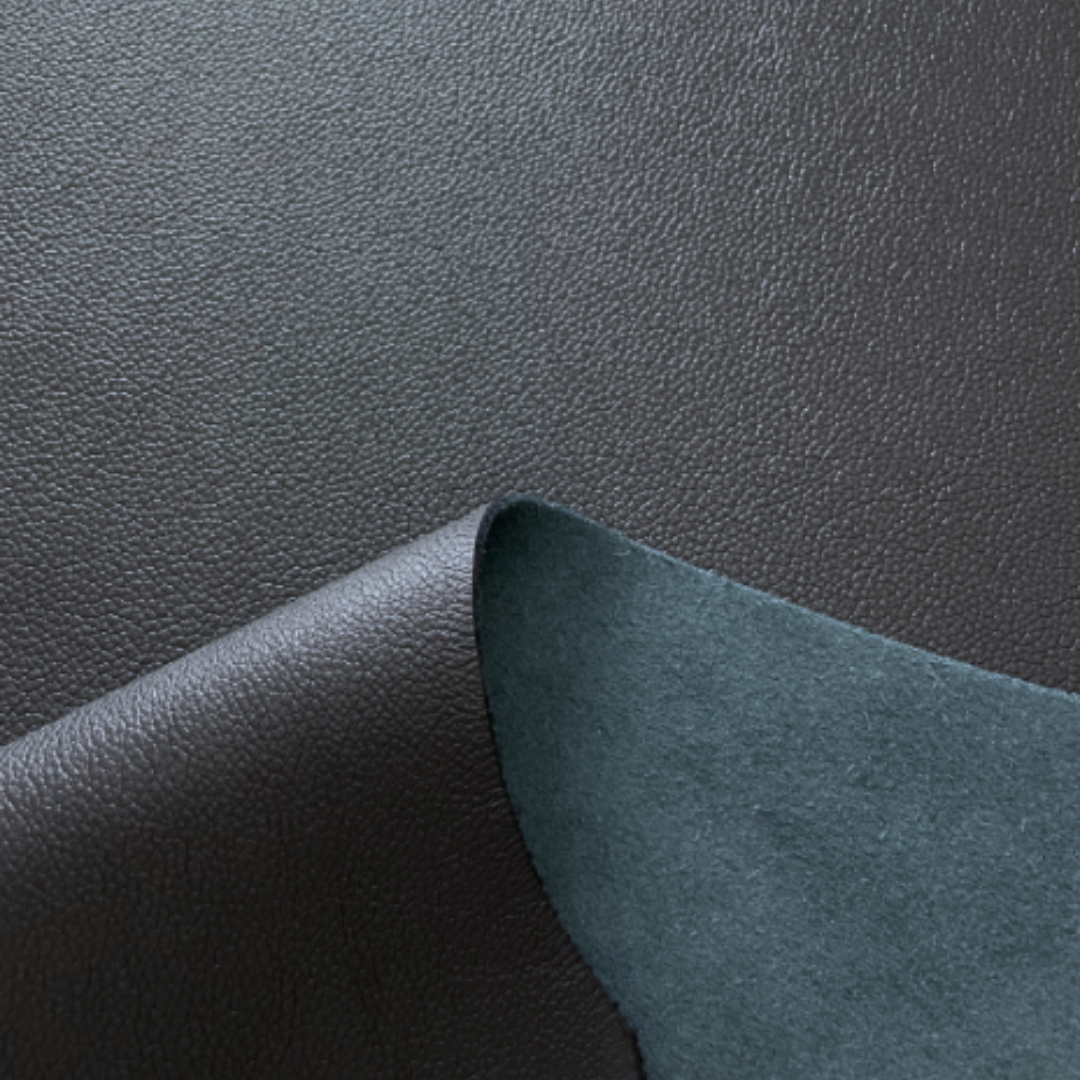
Properties may vary depending on the medium:
- Cowhide
- Sheepskin
- Agneau Lamb: very soft, light, and very supple
- Sheepskin : soft, lightweight, often used for linings or clothing
- Goatskin
- Goat: durable with a naturally pronounced grain
- Exotic Leathers
- Crocodile / Alligator: extremely durable, luxurious, with a distinctive scaly grain
- Ostrich: leather with distinctive bumps (hair follicles), supple and durable
- Python / Snake: slender, flexible, with a unique natural pattern
Chaque type de cuir possède ses propres caractéristiques esthétiques et techniques.
Chez Adapta, nous proposons exclusivement des cuirs classiques provenant de l'industrie alimentaire.
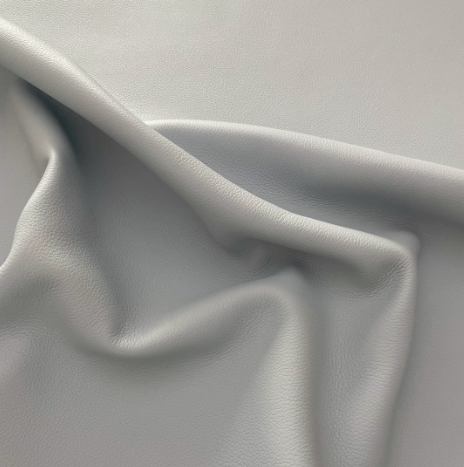
Leather in a Circular Economy Approach
Today, the biggest challenge facing the leather industry is reducing material waste. A large amount of the leather produced for the luxury goods industry is never used and is sometimes destroyed.
At Adapta, we offer a simple solution:
Reuse this unused leather to give it a new lease on life in the collections of designers, artisans, and brands.
This approach allows for:
- to reduce a collection's environmental footprint
- to make the most of existing materials
- to purchase high-end leather goods at prices up to 70% lower than their original prices.
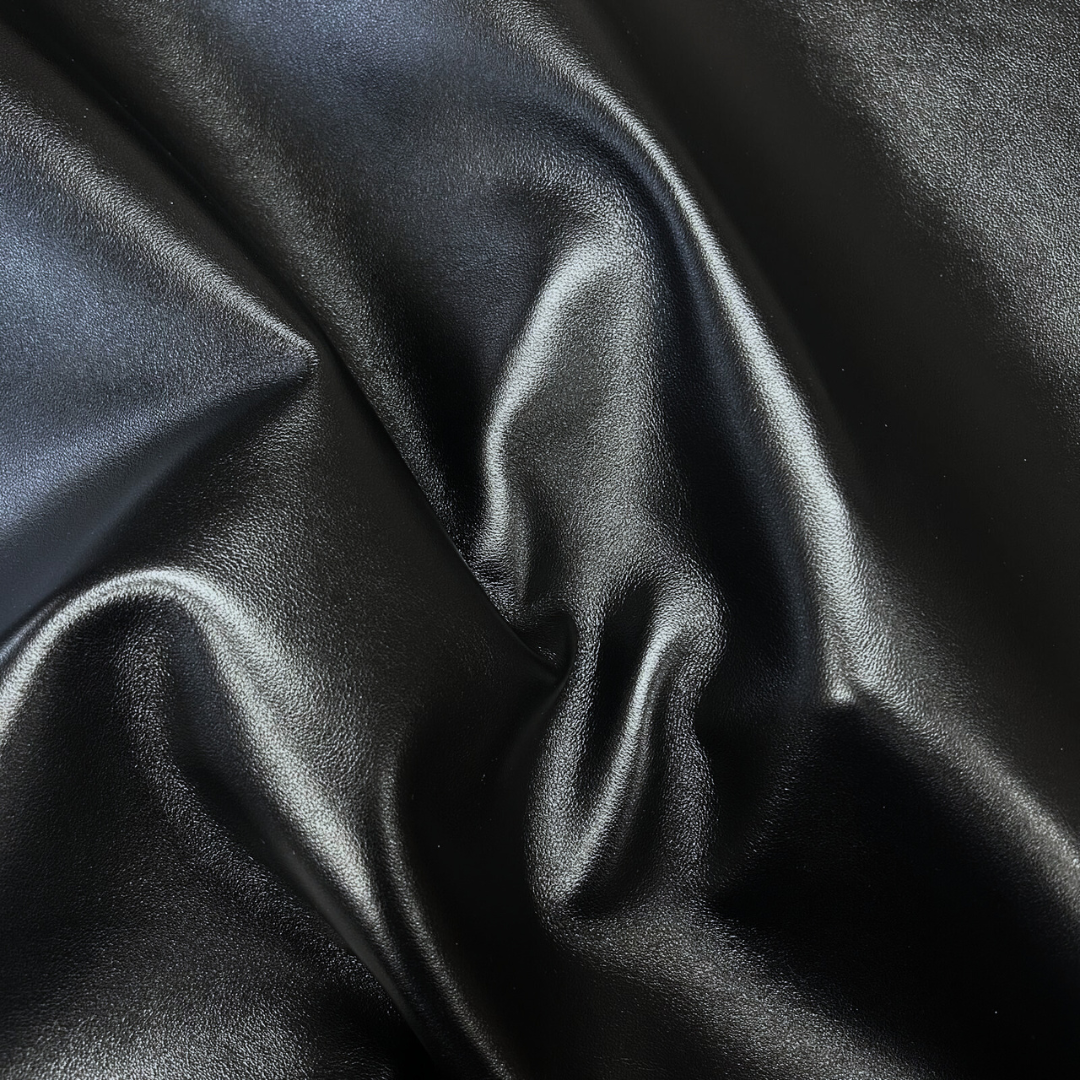
Finding High-Quality Leather
When choosing high-quality leather, several criteria are essential:
- skin quality
- the type of tanning
- traceability
- texture (softness) and thickness
- the end use (leather goods, footwear, furniture).
At Adapta, every piece of leather is selected to ensure quality, traceability, and technical performance, while contributing to more responsible fashion.
Leather FAQ
Genuine leather is a natural material made from animal hides that have been processed through a procedure called tanning. It is known for its durability, breathability, and ability to develop a patina over time.
European Decree 2010-29 of January 8, 2010, states that:
“The use of the word ‘leather’ […] is prohibited in the designation of any material other than that obtained from animal skin through tanning or impregnation that preserves the natural form of the skin’s fibers.”
Synthetic leather, often called faux leather or vegan leather, is a material made from plastic (PVC or polyurethane). Although it can mimic the appearance of leather, it is generally less durable and does not develop a natural patina.
Genuine leather remains the material of choice in leather goods and the luxury sector because of its quality, durability, and unique aesthetic appeal.
There are several criteria for identifying high-quality leather:
- the skin's natural texture
- the suppleness and feel of leather
- the distinctive smell of genuine leather
- the presence of natural marks (slight variations or wrinkles).
Full-grain leathers are generally considered to be of the highest quality because they retain the skin's natural surface.
Yes! Well-maintained leather develops a patina over time and gains character, making it a lasting investment. That's why it's so popular, particularly in the footwear industry.