Leather crust
The leather crust is a noble material derived from the splitting of leather. During the production of leather, the hide is divided into two parts:
- The flower (external side, denser and smoother)
- The crust (internal side, rougher and more textured)
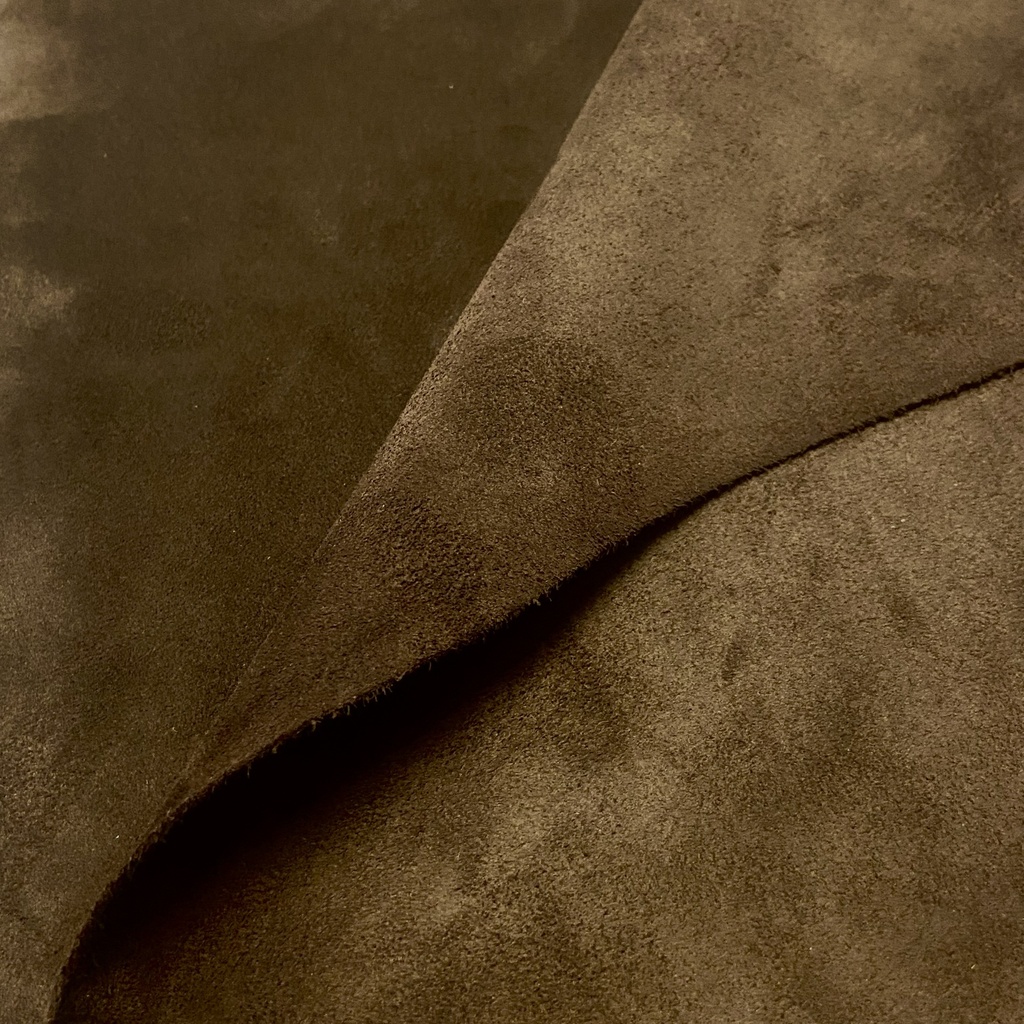
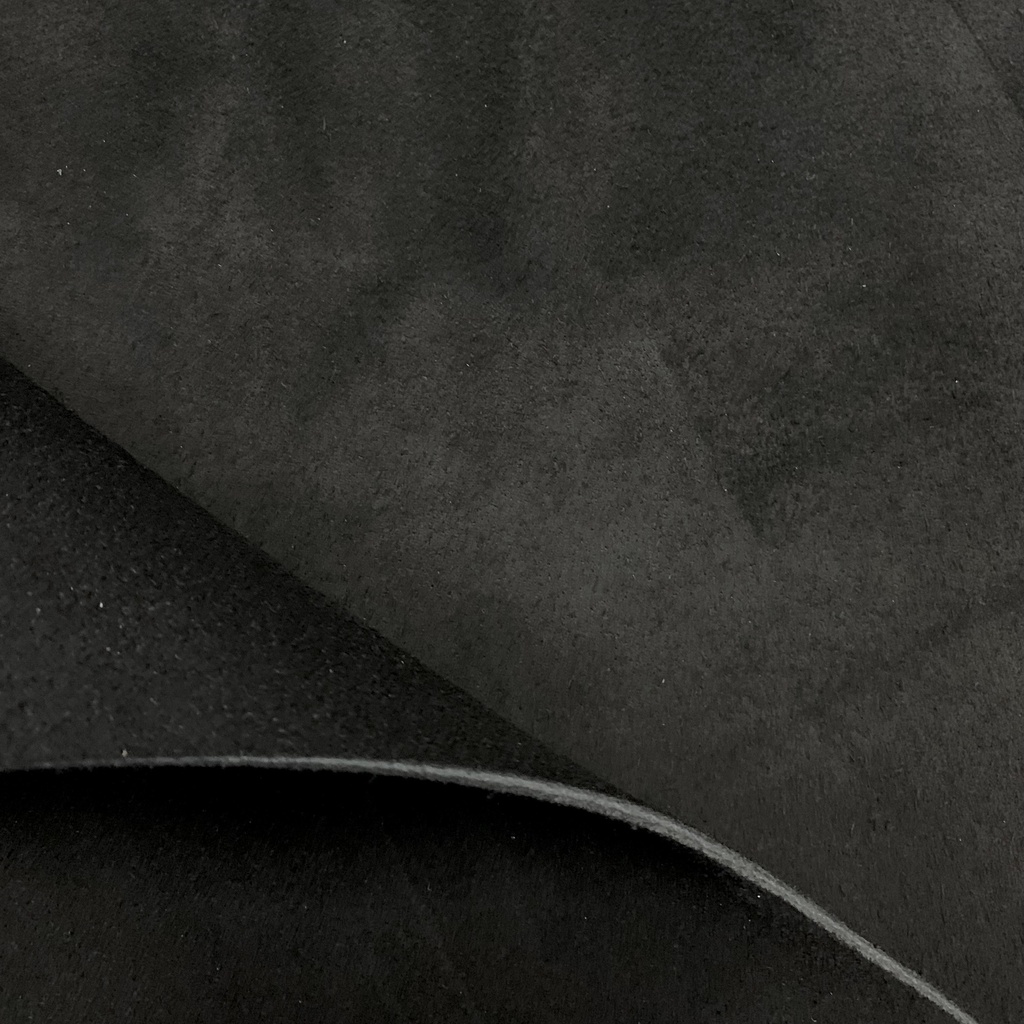
This material is distinguished by its velvety touch and natural texture, which gives it an authentic style and a raw charm while remaining supple.
It is often used in handmade or design creations where the aesthetic of raw leather is sought after.
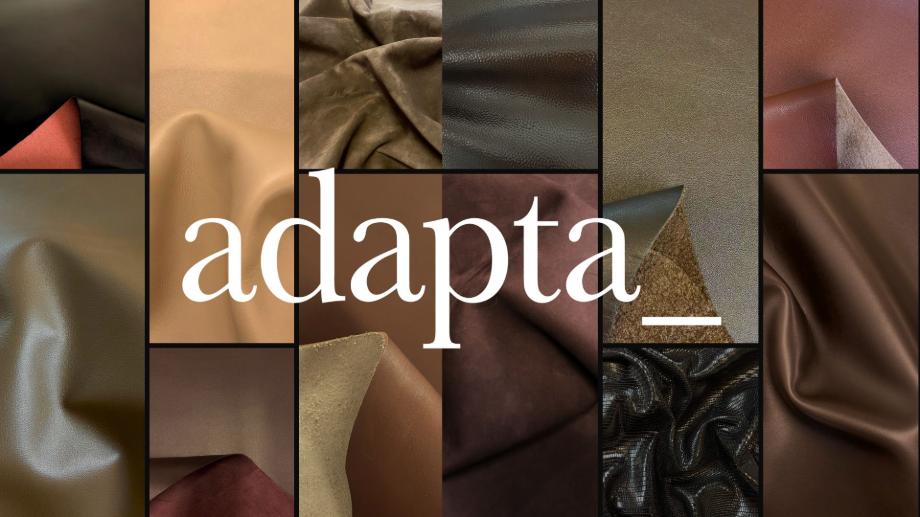
Why choose leather suede for your creations?
A unique textured appearance
The leather crust offers a natural surface, more raw than full-grain leather, with an interesting visual and tactile depth for handcrafted pieces, accessories, or decorative elements.
Versatile and creative
Suitable for leather goods, interior decoration, saddlery, or prototypes, it can be worked as is or transformed (dyed, sanded, velvet finish).
A sustainable material
The leather crust is robust if properly maintained, and it develops a unique patina over time.
An accessible alternative
The leather split is a more accessible alternative, offering excellent value for money — even more advantageous at Adapta, thanks to our circular economy approach.
How to use leather split?
The leather crust lends itself to many uses, including:
- Shoes: ankle boots, thigh-high boots, loafers...
- Leather goods: clutch, bag, lining, inserts...
- Decoration: creative coverings, wall panels, object cladding...
- Prototyping: test models before final production
Maintenance of leather crust
To preserve the quality and appearance of your leather crust:
Gentle cleaning
Use a soft brush or a dry cloth to remove dust. Avoid harsh products that could damage the natural surface.
Moisture protection
The suede is more porous than other leathers; it is recommended to apply a waterproofing spray before use to protect the material.
Natural drying
In case of exposure to water, allow to air dry, away from direct heat sources.
Why is leather crust interesting in a circular logic?
In a circular economy approach to leather, leather crust is particularly interesting because:
- it values the entirety of the skin
- it allows for the creation of more accessible ranges
- it can be revalued through dormant stocks
👉 In responsible sourcing models (like that of Adapta), the leather crust from stocks of large tanneries becomes a fully-fledged creative resource, rather than a by-product.
FAQ on leather split
Full-grain leather comes from the top layer of the hide and retains its natural grain, making it the most noble and durable part of the leather.
The leather crust, on the other hand, comes from the lower layer: it is less dense, more irregular, but more accessible and very versatile in terms of finishes.
Yes, but its quality depends on its use and maintenance.
It is less durable than the grain, particularly when it comes to abrasion and moisture. However, it remains sufficiently robust for many uses in leather goods, footwear, furniture, or design, provided it is well protected and maintained.