The world of fashion, design, and high-end accessories largely relies on the excellence of artisanal craftsmanship. At the heart of this precision industry, the profession of leatherworker holds a prominent place. This skilled artisan designs, manufactures, and repairs everyday objects as well as exceptional pieces. To achieve this, he primarily relies on the work of a noble and durable material: leather.
Between the preservation of ancestral gestures and the adaptation to contemporary challenges of eco-responsibility, this demanding discipline requires a rigorous technical mastery combined with a great tactile sensitivity. This article offers a comprehensive analysis of this profession, from its fundamental missions to its future prospects, highlighting the realities of its preferred raw material.
What is the profession of leatherworker?
Historically linked to the work of "morocco" — a tanned goat leather originating from Morocco and introduced to Europe in the Middle Ages — the term has broadened to refer to all professionals who transform hides into luggage items, small leather goods, or fashion accessories.
The leatherworker is a technician of soft materials. Their role involves ensuring the complete transformation of a tanned hide into a functional and aesthetic finished product: handbags, belts, wallets, briefcases, or even watch straps. Depending on the structure in which they operate, the artisan may oversee the entire manufacturing process (from sketch to final assembly) or specialise in a specific stage within an industrial production line or a subcontracting workshop.
Leather goods: a noble material at the heart of craftsmanship
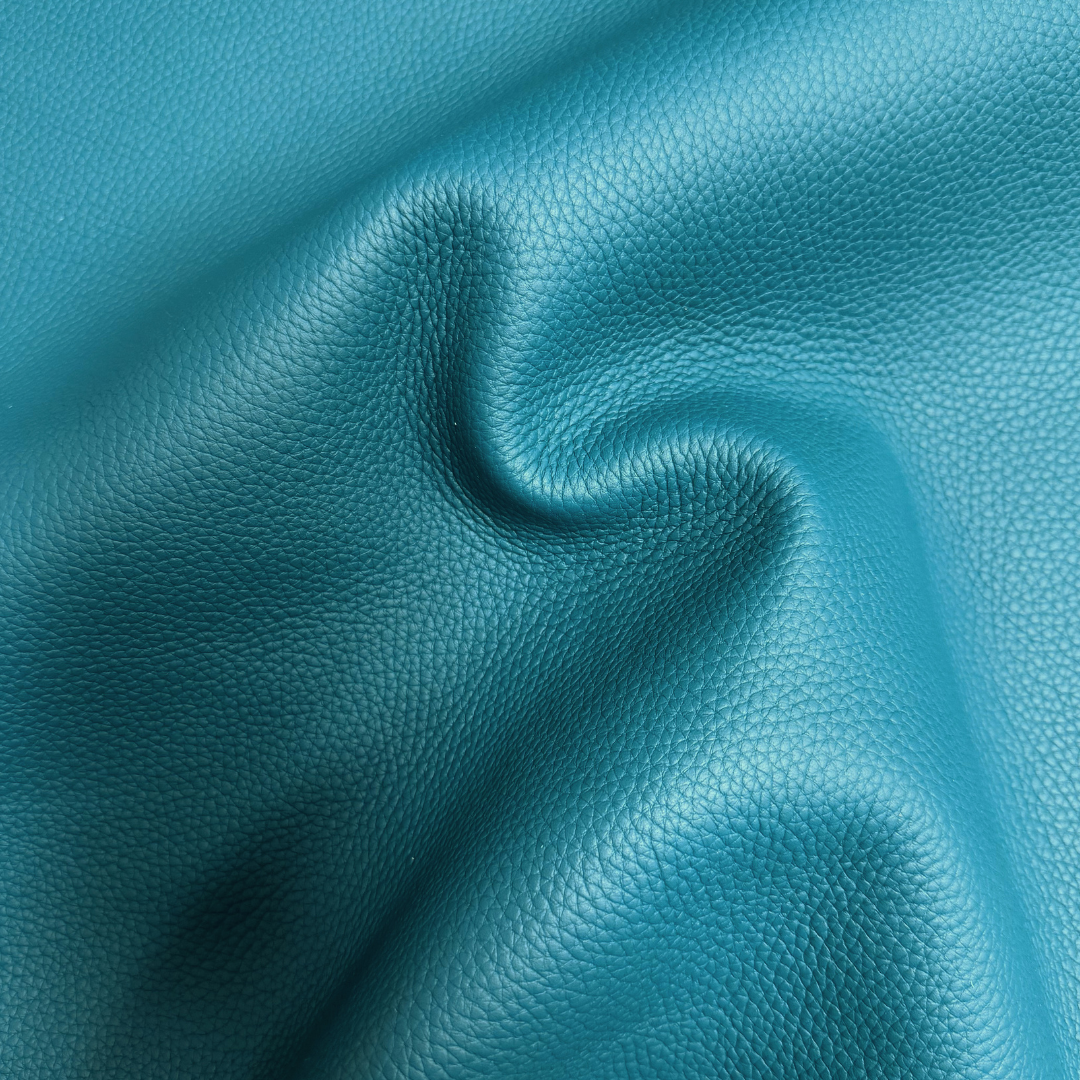
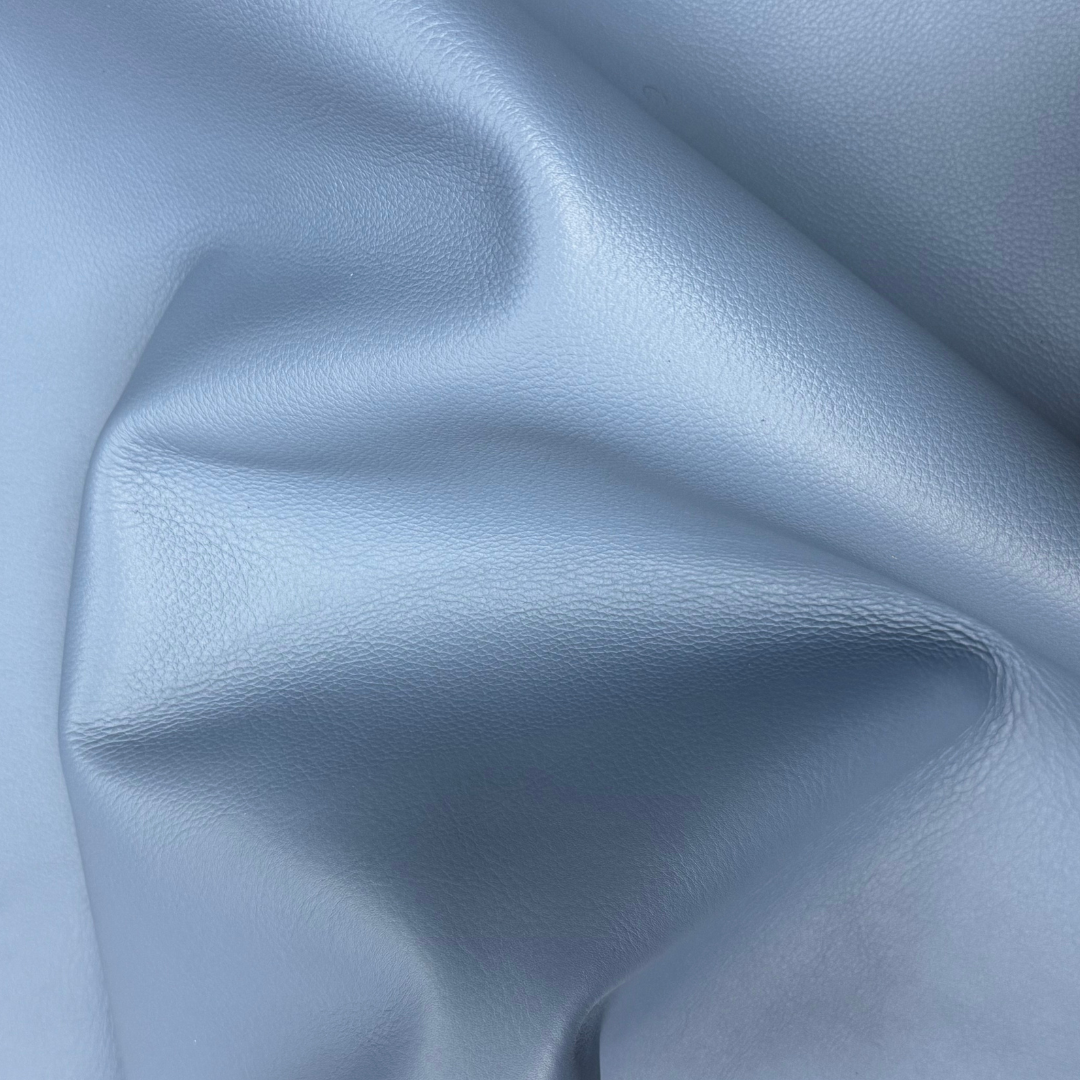
It is impossible to discuss this profession without analysing its fusion relationship with the material. The choice of leather determines the structure, longevity, drape, and use of the final object. Each type of leather used in leather goods has its own mechanical, visual, and aesthetic characteristics.
The diversity of skins and properties
The artisan must work with a wide variety of skin structures, each requiring appropriate handling:
- The Calfskin and cowhide Particularly prized in luxury leather goods for their fineness, flexibility, and excellent shape retention. They offer a consistent grain and great durability against daily wear and tear.
- Lambskin and the goat Highly sought after for their extreme flexibility and lightness, they are preferred for glove-making, interior linings, or soft small leather goods.
- Exotic leathers: Crocodile, ostrich, or lizard require very specific cutting and assembly techniques due to the heterogeneity of their patterns, scales, and variable rigidity.
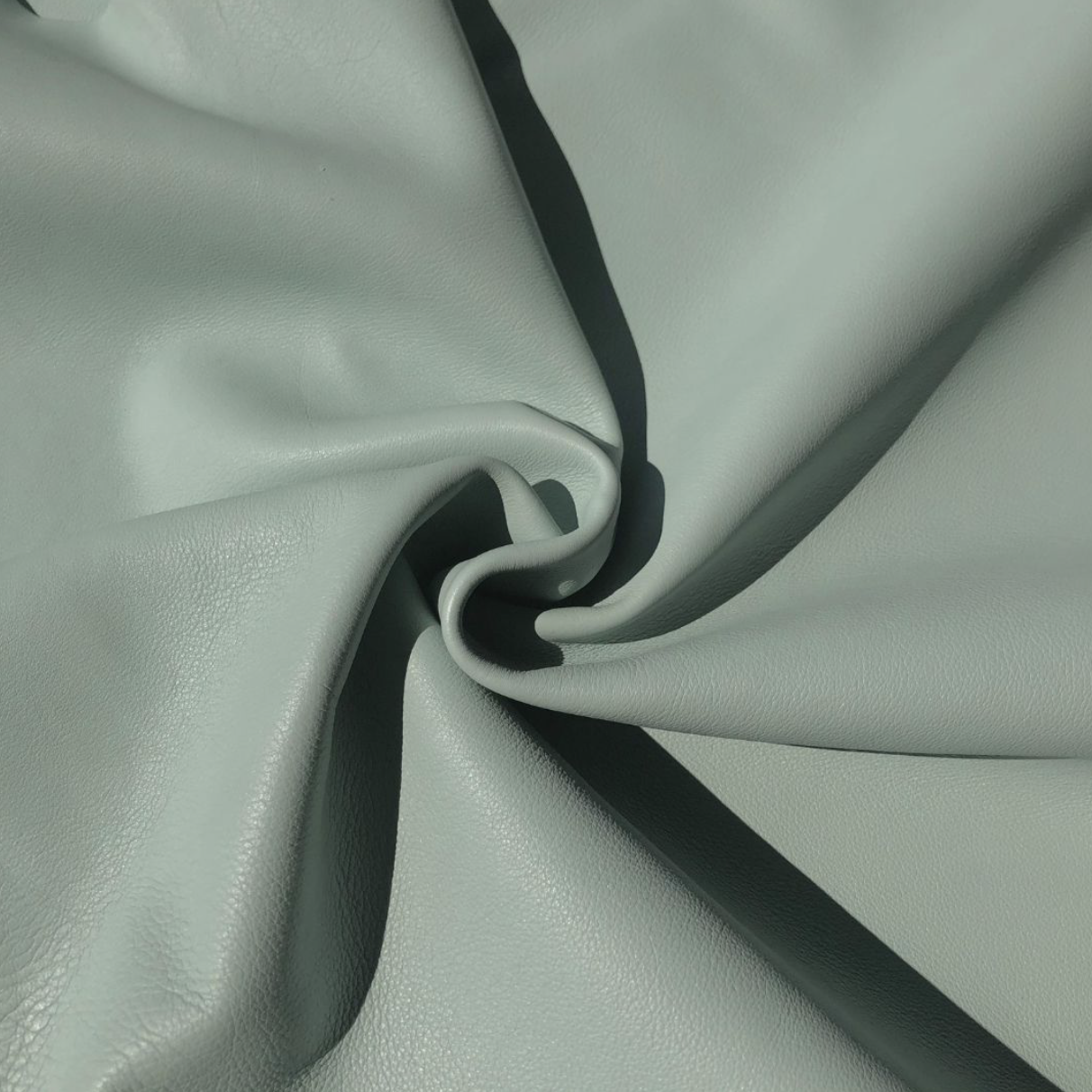
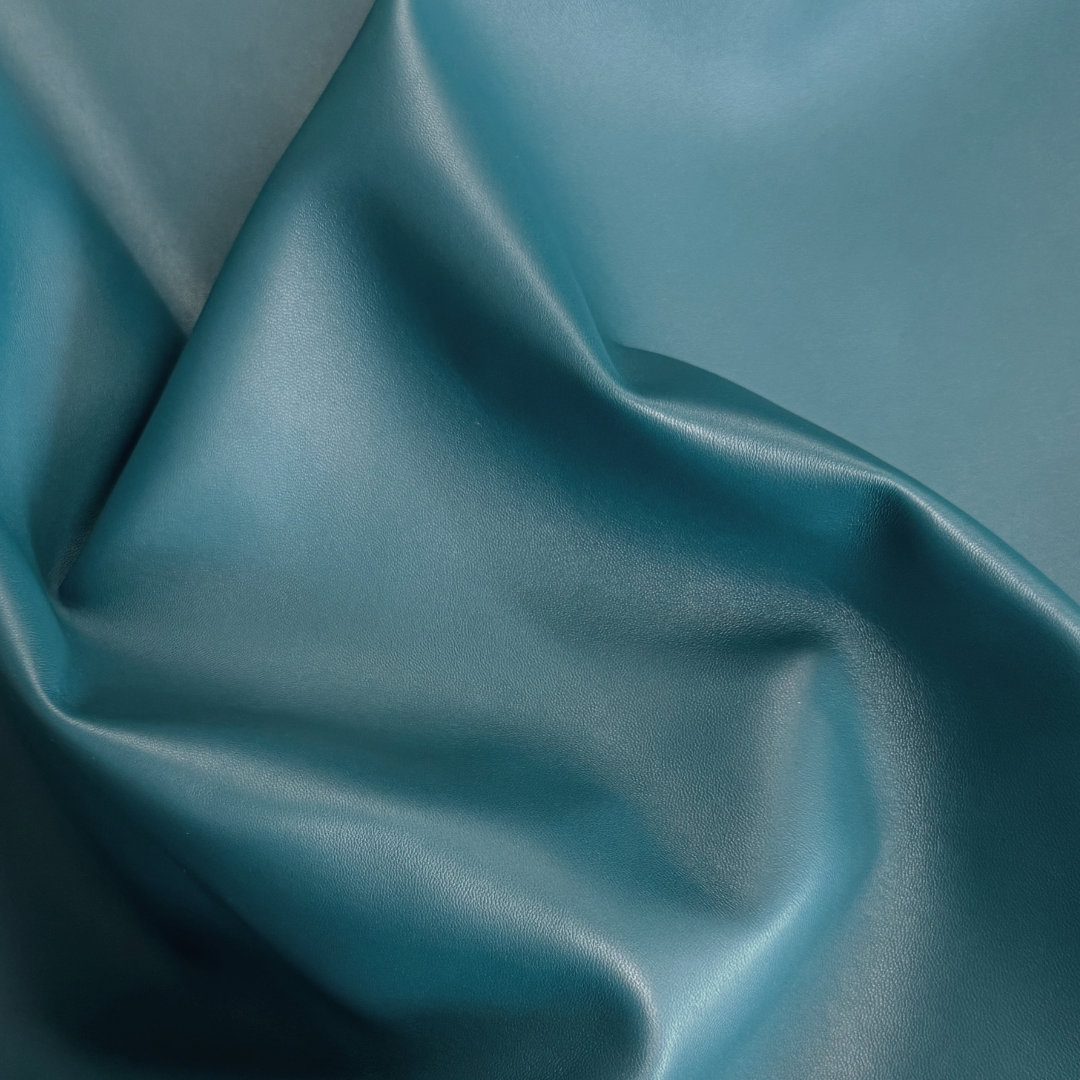
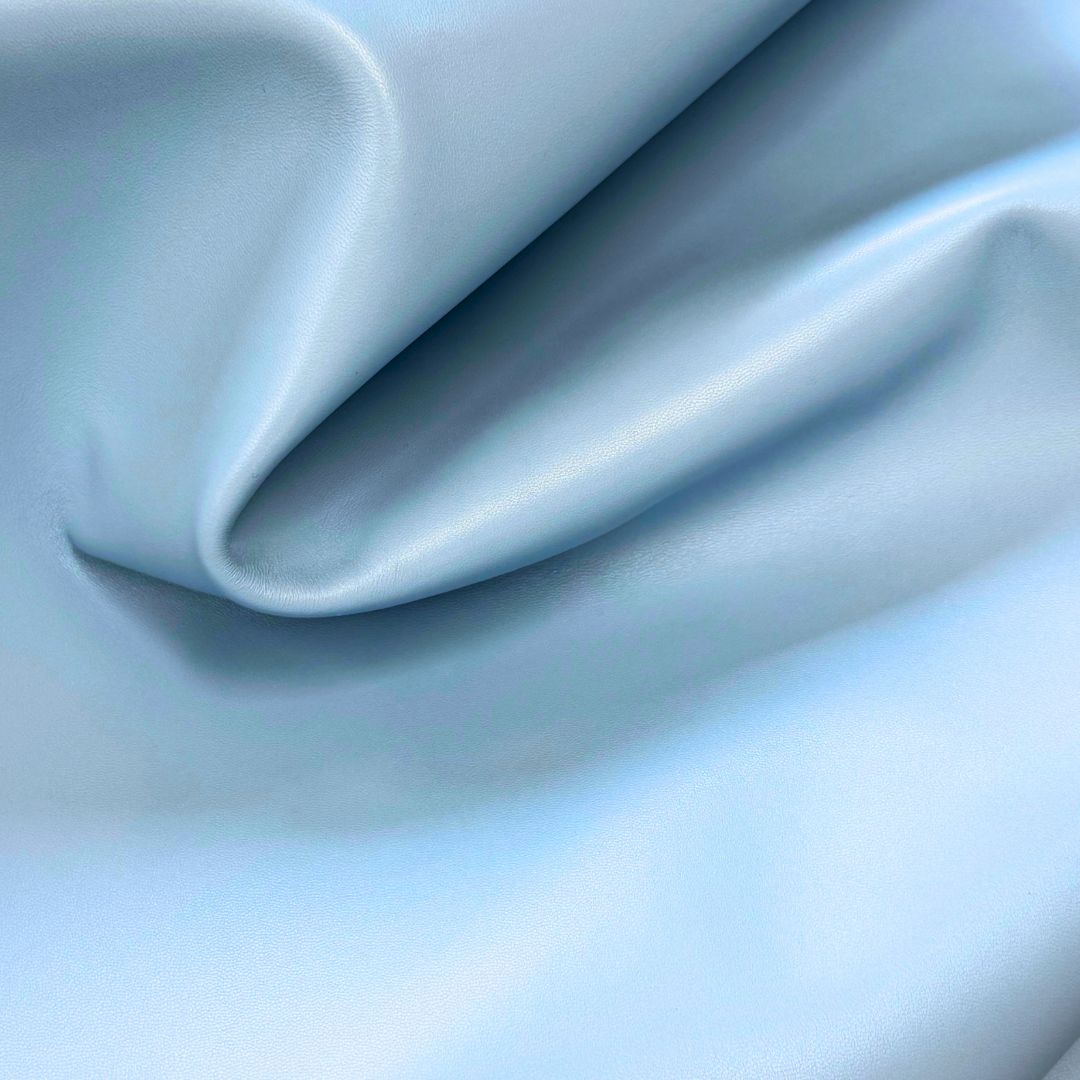
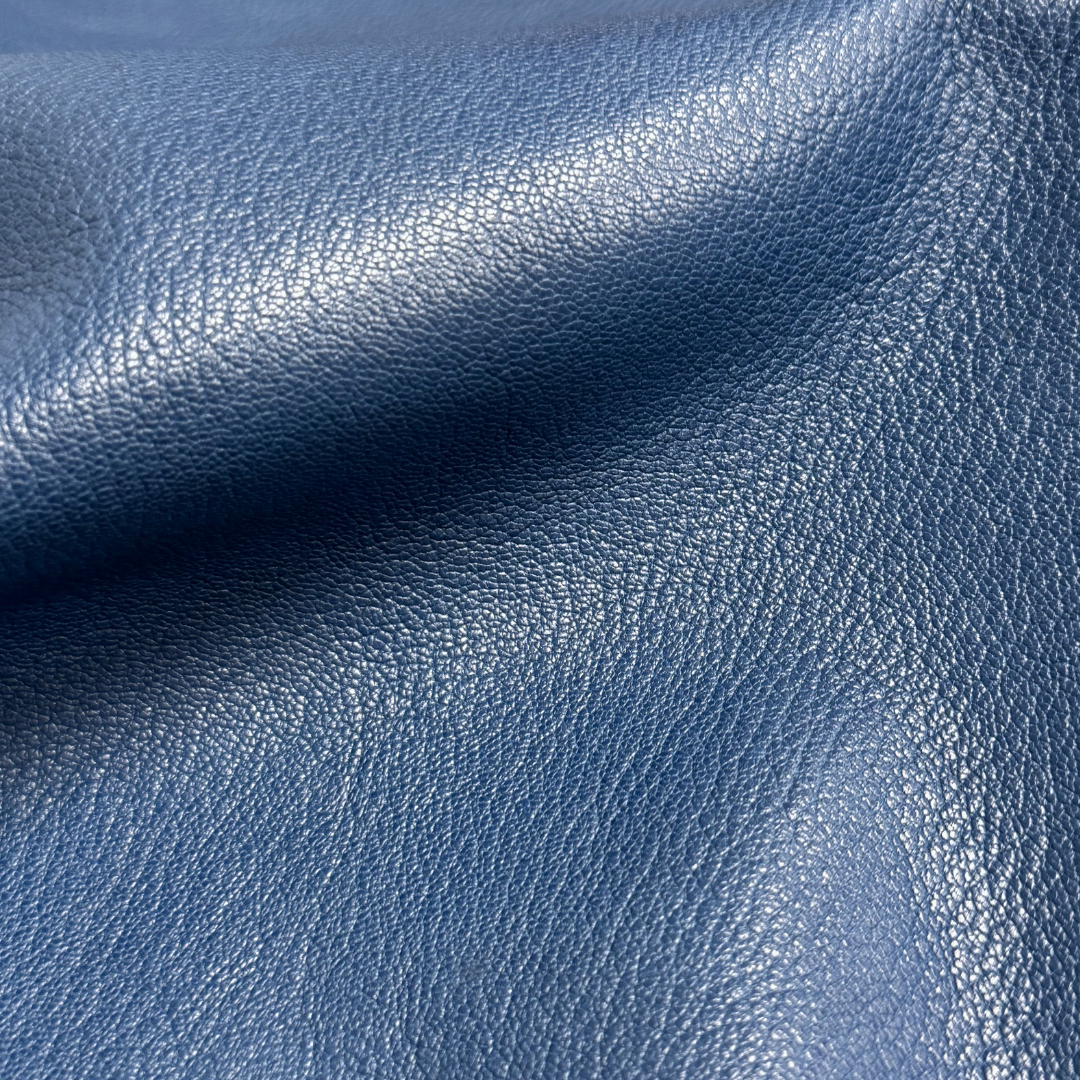
The evolution towards a circular and eco-responsible supply chain
Traditionally, the craftsman selects his leather for leather goods based on the type of tanning (chrome mineral tanning for flexibility and vibrancy of colours, or vegetable tanning with bark extracts for a more authentic, firm, and natural patina). Today, the sector is increasingly incorporating the principles of the circular economy.
In a high environmental quality approach, the use of dormant stocks from major luxury houses allows creators to work with premium leather (full grain, satin or grained finishes) without generating overproduction of material.
This model of upcycling (reuse) gives a second life to exceptional resources that have already been produced, thereby limiting the overall carbon footprint of manufacturing. At adapta, we strive to make these materials from dormant stocks as desirable and accessible as possible, whether artisans are located in Paris, the surrounding region, or elsewhere.
The main tasks: the stages of manufacturing an object
The production of an item follows a logical sequence of rigorous operations. Each step determines the quality of the final result and the strength of the piece.
1. Design, pattern making and prototyping
Before working with the material, the process begins with the development of a sketch, often in three dimensions, or a detailed specification document. The artisan then creates the pattern, which is the flat drawing of each piece necessary for the construction of the object. A prototype made of fabric or synthetic material is frequently assembled to validate the volumes, test the ergonomics, and anticipate the difficulties of assembly.
2. The cut
This phase requires perfect visual acuity. The professional examines the leather under light to identify natural defects (scars, insect bites, grain variations, or stretch marks) in order to avoid them or to cleverly place them on non-visible parts of the item (such as the bottoms of bags or linings). The cutting is done either manually with a knife (leatherworker's knife) or mechanically using die-cutters under a hydraulic press, optimising the placement to minimise the waste of precious material as much as possible. This step is crucial for the longevity of the finished product as well as for the most optimal use of the leather.
3. The preparation of the parts
The leather is often too thick to be assembled neatly, particularly in the overlapping areas. The craftsman therefore carries out several preparation operations:
- Slitting: Equalisation of the thickness of the skin across its entire surface using a slitting machine.
- The Leather Trimming : Progressive thinning of the leather edges to facilitate folds and avoid unsightly thickening at the future seams.
- The treatment of edges: Dyeing, sanding, and smoothing of cut edges to ensure perfect sealing and impeccable aesthetics.
4. Assembly and installation
The prepared and reinforced pieces are first temporarily glued to stabilise the whole before the final stitching. The leatherworker uses two main assembly techniques:
- Machine sewing: Carried out on industrial sewing machines equipped with needles and motors suitable for thick materials and dense fabrics.
- Hand stitching (saddle stitch): A high-end traditional technique inseparable from leather goods and saddlery. It uses two needles and a waxed linen thread, crossed through holes previously made with an awl. This stitch is renowned for its durability because, unlike machine stitching, the breakage of a thread does not unravel the rest of the seam.
5. The finishes and the installation of the jewellery
The final step involves attaching the metal components (fasteners, buckles, rivets, eyelets, zippers) and applying the ultimate finishes, such as glazing or hot press plating to add shine. A rigorous quality control is carried out at each stage to check the strength of the stress points.
Skills, required qualities and work environment
The work of leather goods craftsmanship requires a set of strict physical and technical skills.
The key word is precision: a deviation of just one millimetre during cutting or stitching can distort the complete balance of a bag and render it unfit for high-end standards. Furthermore, although craftsmanship often evokes a calm working environment in the workshop, the practice of the profession requires real endurance due to the strength needed to cut or shape certain dense materials.
Training and access to the profession
In France, access to this profession is strongly structured by vocational education and apprenticeships, ensuring the transmission of a centuries-old technical heritage.
CAP level qualifications
The CAP Leather Goods qualification is an essential foundational training, accessible from the end of Year 9 (duration: 2 years). It allows for the acquisition of basic skills in machine use and common assembly techniques. Other options for the Professional Aptitude Certificate allow for specialisation:
- General Upholstery Certificate: Focused on the making of seats, coverings, and interior fittings for the automotive, nautical, or aeronautical industries.
- CAP Saddle Maker: Focused on the manufacture and repair of equestrian items (saddles, bridles, harnesses) and heavy luggage.
Secondary and higher education programmes
- Professional Baccalaureate in Leather Trades (leather goods option): It is completed in three years. It incorporates more complex concepts of workshop management, production planning, prototyping, and cost optimisation in manufacturing.
- BTS Fashion Trades - Footwear and Leather Goods: A Bac+2 level diploma training higher technicians. Graduates are capable of supervising production, linking the design studio and the workshops, and managing the technical development of collections.
The Companions of Duty and the Tour of France
This association under the 1901 law, recognised as being of public utility, aims to transmit both knowledge and skills – through the learning of a trade – as well as personal qualities – through the sharing of values such as solidarity, brotherhood, and generosity.
In the Tour de France programme, this training is accessible from the age of 15 and allows young men and women to learn the fundamental skills of a trade, and then, if they wish, to continue their training by undertaking a Tour de France to become a Compagnon du Devoir. This programme consists of one or more initial alternating training courses.
Continuing education, accessible to those over 25, allows individuals to develop their skills or take a new professional direction. These are diploma or qualification courses, either in alternating formats or short courses, and the training offered is informed by practical experience and forward-looking projects.
Many large houses in the luxury sector also have their own schools or internal training workshops to preserve their specific skills and to directly train their future recruits to their standards of excellence.
Careers, opportunities and prospects in the sector
The sector is distinguished by a constant economic dynamism, largely driven by the international prominence of artisanal expertise and the strength of the luxury industry.
Typology of Employer Structures
Qualified professionals operate in three main types of environments, each offering different practical realities:
- The industry and large groups: Positions are often sectorised (cutter, stitcher, assembler). The craftsman performs specialised tasks by following a strict production specification.
- SMEs and subcontractors: They frequently work on behalf of luxury clients. They are looking for versatile profiles capable of mastering the entire process and transitioning from one bag model to another.
- Independent craftsmanship: The leatherworker working for themselves (there are approximately 1,700 artisans in France) manages creation, production, financial management, and marketing. They typically focus on bespoke items, limited editions, or restoration, becoming a true business leader of their own enterprise.
Jobs in full evolution
Two roles are experiencing a significant increase in recruitment demand:
- The model maker / prototype maker: He is the pivot between artistic creation and technical feasibility. He optimises the use of leather (reducing waste) and studies processes to streamline production times.
- The repairer / restoration artisan: With the rise of the high-end second-hand market, maintenance, deep cleaning, and restoration of patinated leathers have become key skills to extend the lifespan of valuable products.
Conclusion
The work of leather craftsmanship remains a pillar of artisanal art, combining the intelligence of the hand with geometric precision. In the face of current environmental challenges, the profession demonstrates its resilience and modernity by adopting sustainable practices, such as the reuse of exceptional materials from dormant stocks. This alliance between eco-responsibility and technical rigor allows for the perpetuation of a demanding artisanal heritage, while coherently aligning with contemporary expectations of sustainability.
At Adapta, we are here to offer this profession quality leathers sourced from dormant stocks of luxury brands. Leathers that come from production, meeting the specifications of luxury houses, controlled and traceable. No minimum order and prices ranging from -30% to -70% compared to their original price.
A truly thought-out offer for craftsmen!