On Monday, September 7, 2026, the Sustainable Leather Forum brought together key players in the leather industry for its fall kickoff event: manufacturers, tanners, suppliers, designers, experts, and industry representatives.
A day dedicated to the major transformations taking place in the industry and to one central question: How can we shape the future of the leather industry amid significant economic, environmental, and societal changes?
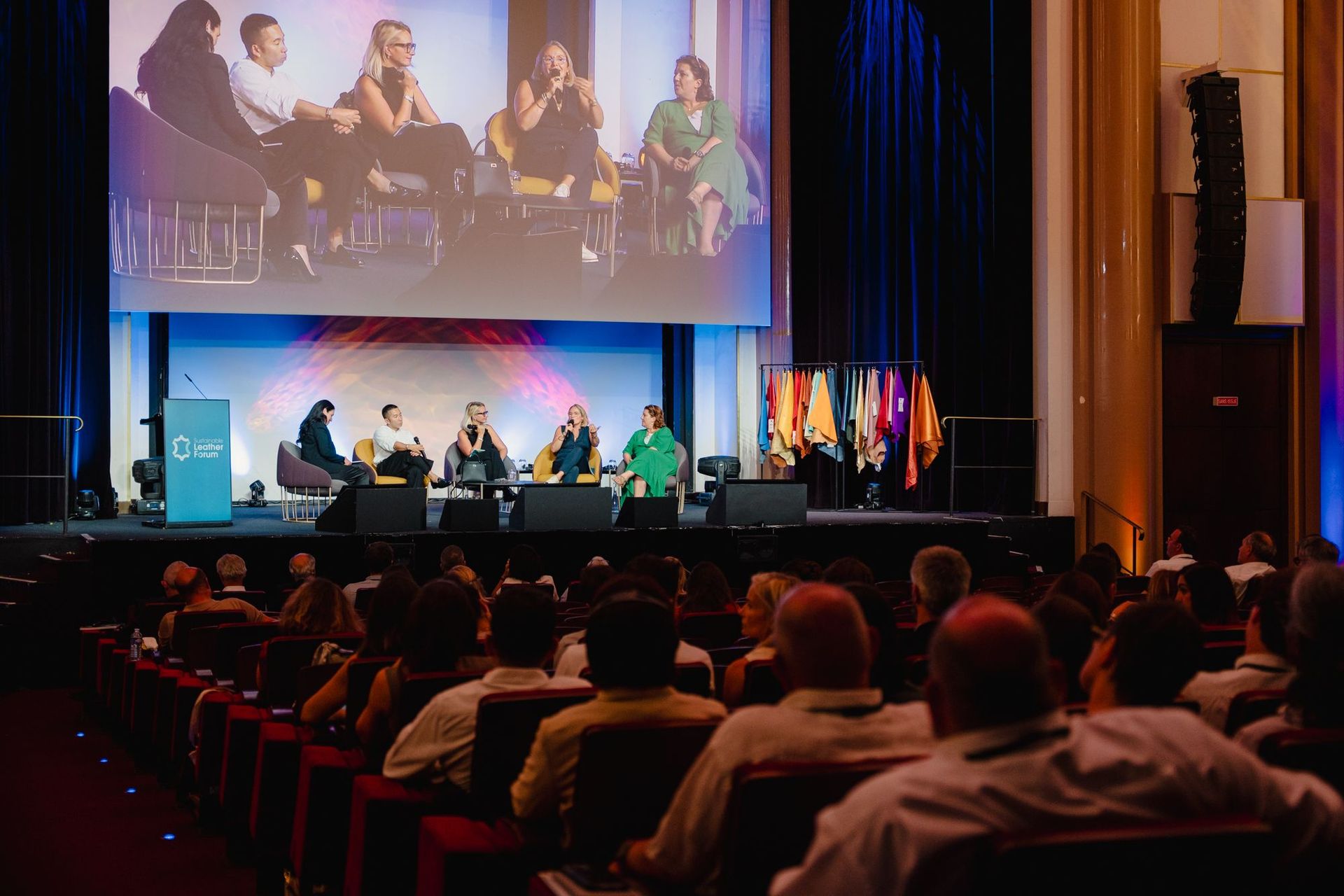
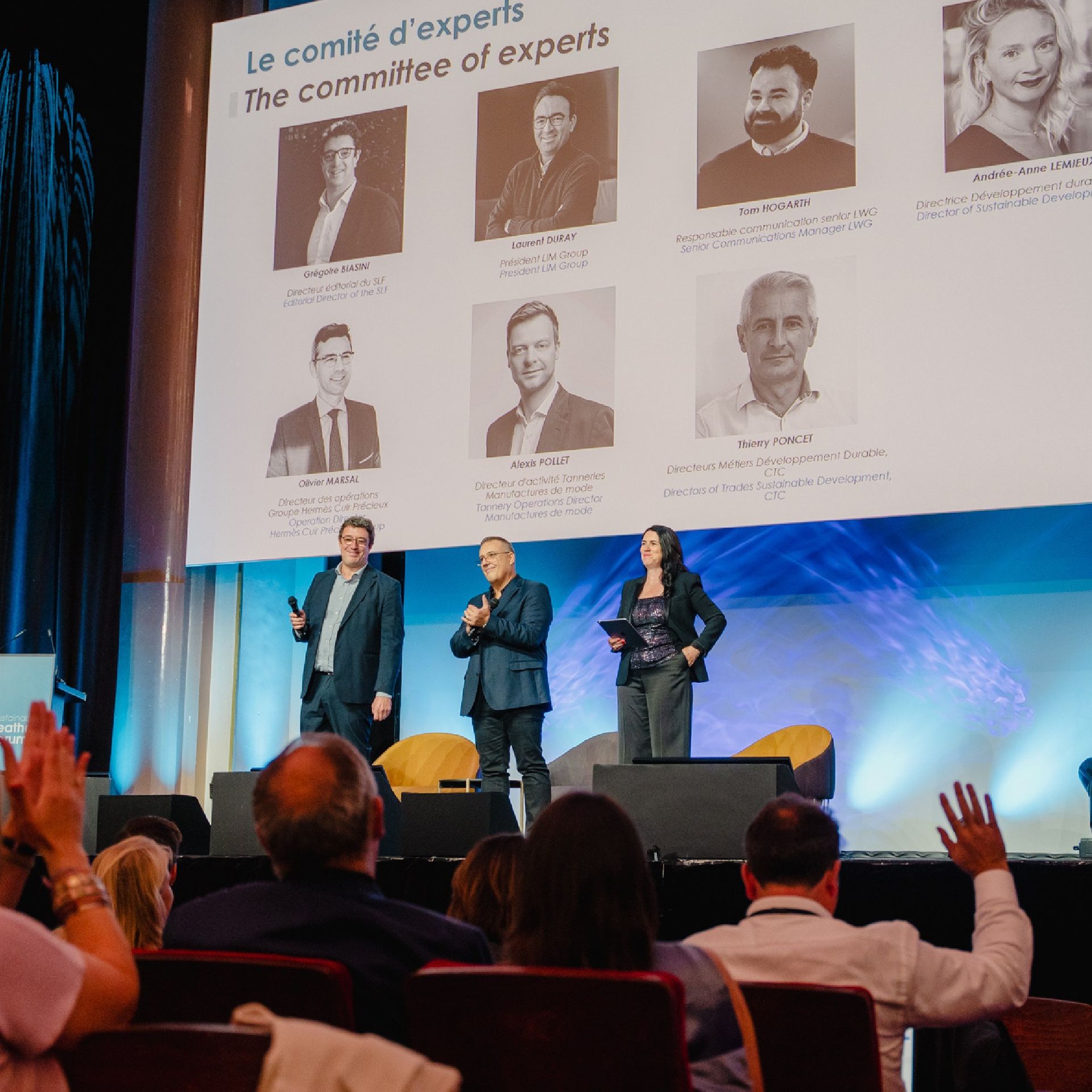
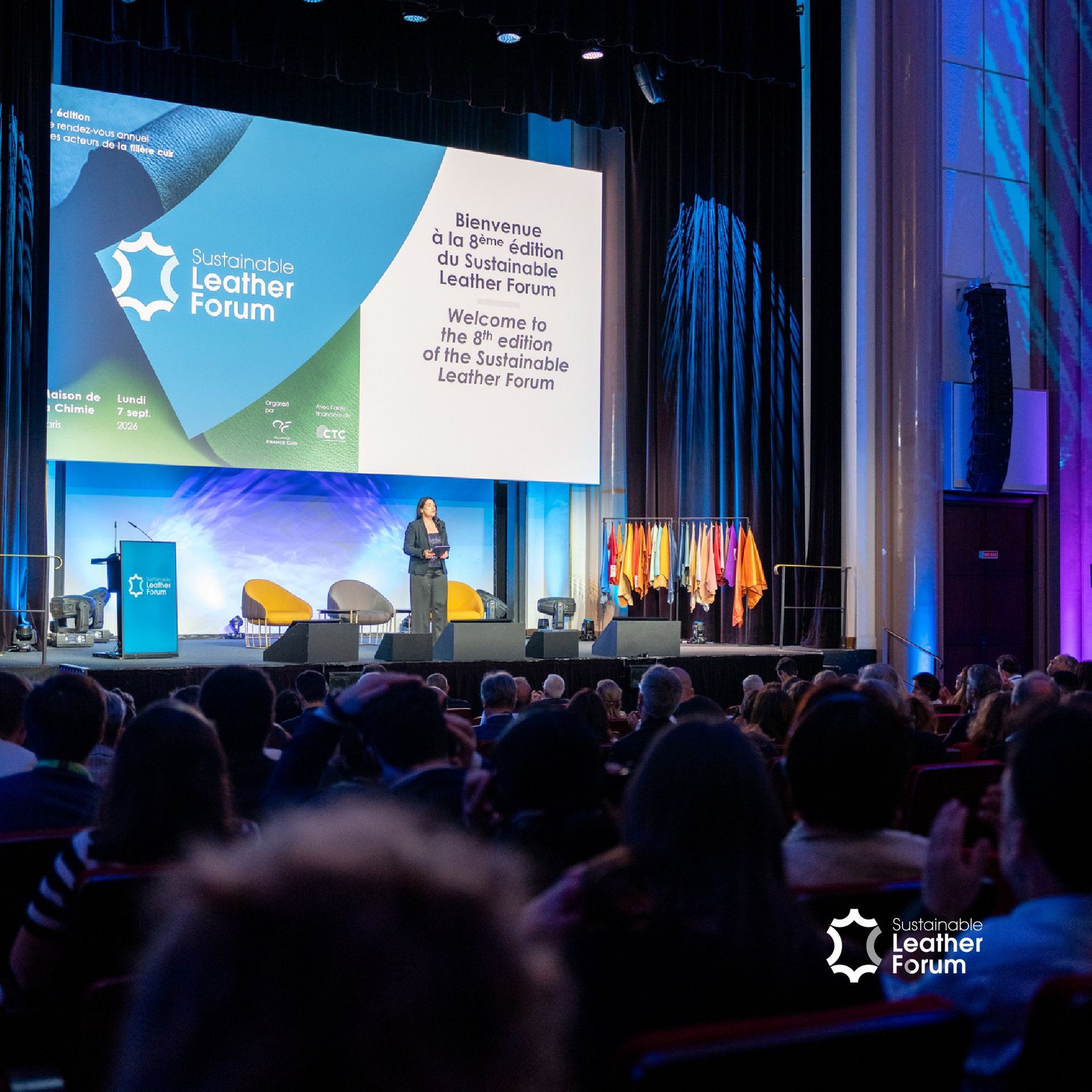
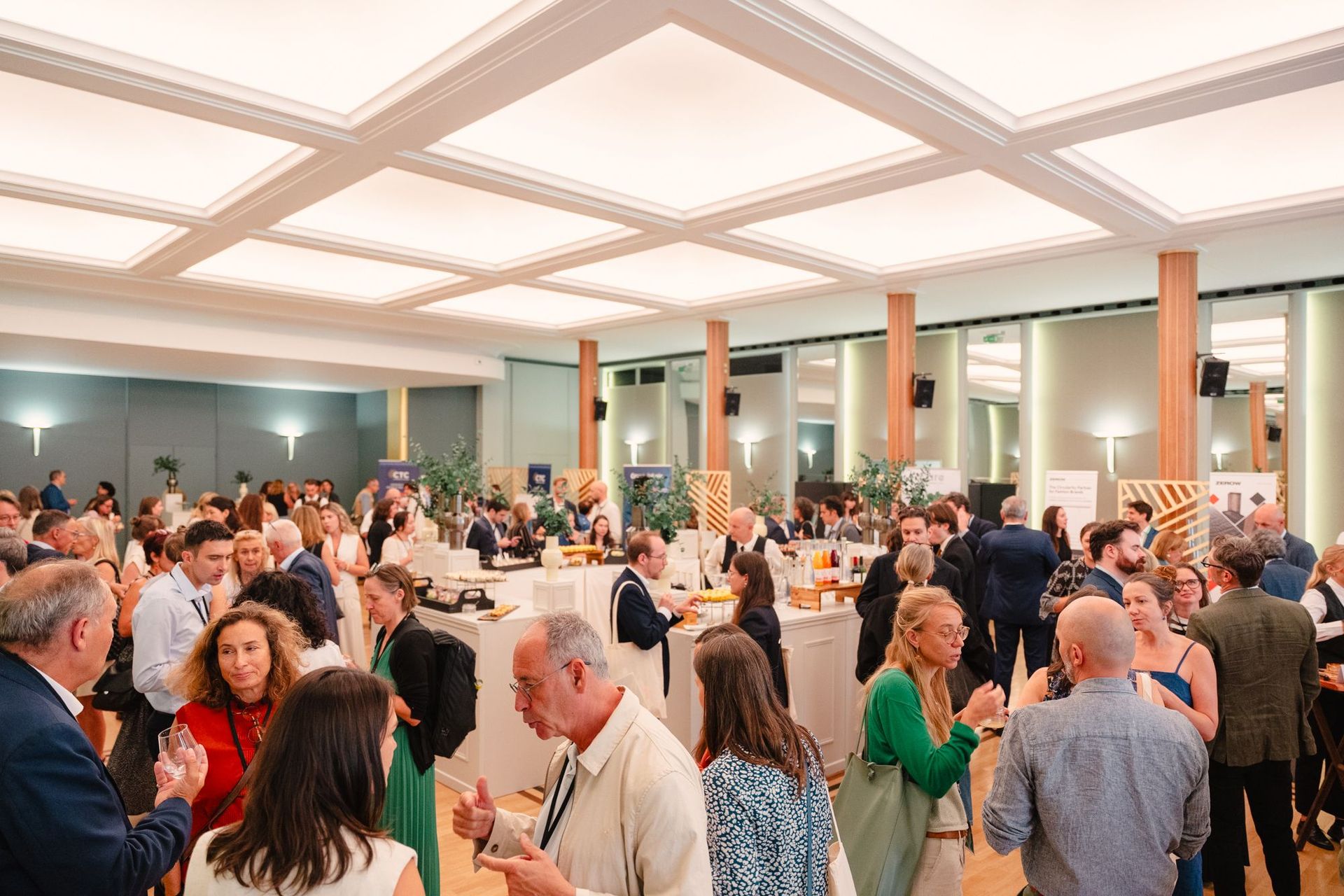
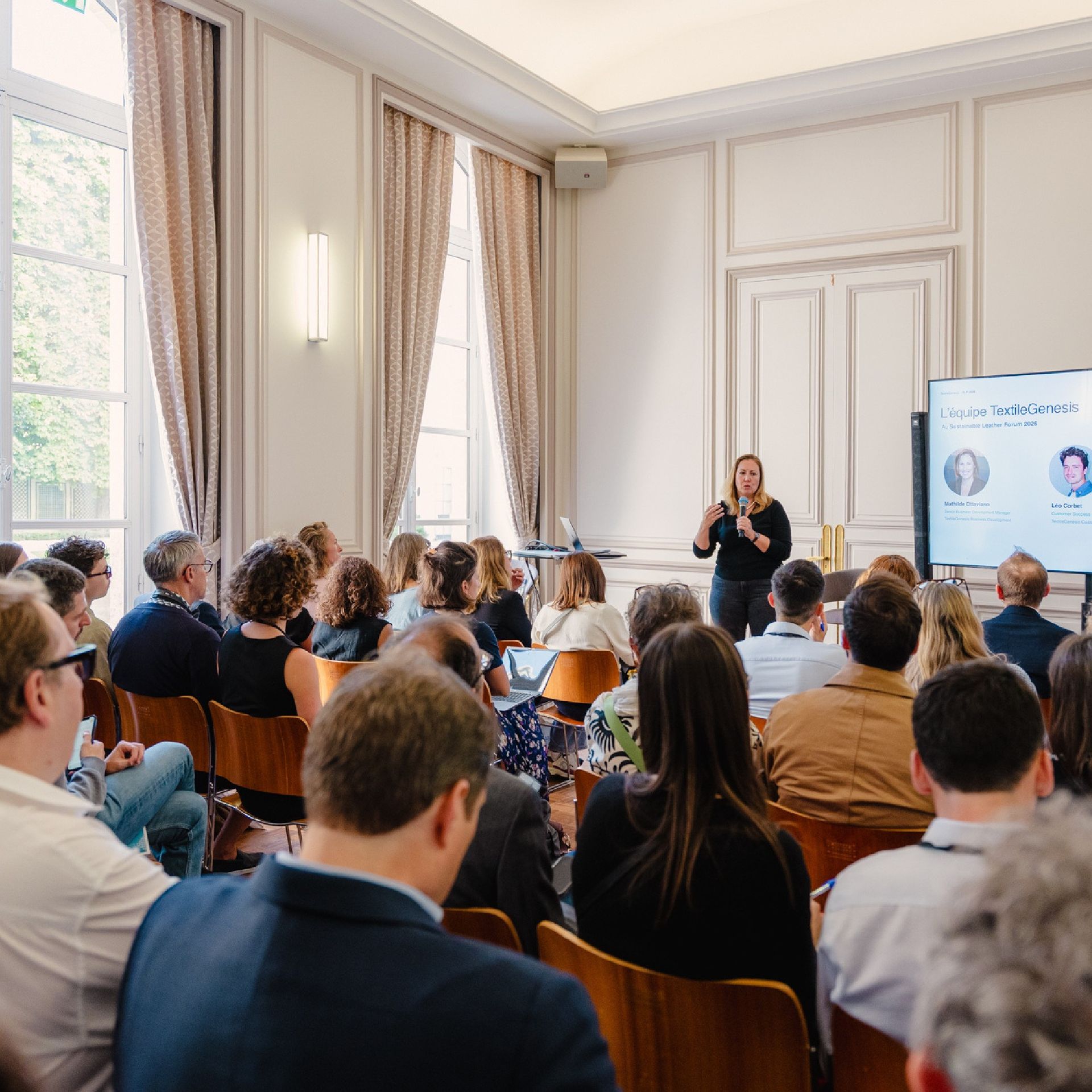
Photo credit: : Leather Fashion Design, Sustainable Leather Forum
An Industry Facing a New Balance of Power
The day began with Grégoire Biasini, the new editorial director of the Sustainable Leather Forum, who set the stage for discussions on competitiveness, global transformations, and the need to “work together.”
Hubert Védrine, former Minister of Foreign Affairs, then offered his analysis of the current geopolitical context and the balance of power among the major powers: the United States, China, Russia, and Europe.
In particular, his remarks highlighted how international developments can influence economic balances and supply chains. For the leather sector, as for the industry as a whole, anticipating these changes is therefore essential.
Securing the raw material: a challenge for the entire industry
Among the day's most important topics: access to hides and securing the supply chain.
In France, the decline in cattle herds is accompanied by a problem with the next generation of ranchers. The average age of French ranchers is now 50, while fewer than 900,000 calves are slaughtered each year, compared with 3.4 million 25 years ago.
This trend raises a key question for the industry: How can we maintain a sufficient supply of raw materials over the long term while ensuring their quality?
The discussions also revealed that the issue is not limited to the quantity of hides available. The quality of the materials and their suitability for market needs have become major concerns, given that the European industry is distinguished in particular by its expertise and its focus on quality.
Explain Leather Better to Promote It More Effectively
Another observation shared during the roundtable discussions was that the industry must continue to improve its communication about leather.
It’s not just about promoting a product, but about explaining what leather really is, how it’s made, why its quality varies, and what justifies its value.
This need for information is reflected in the findings of the 2026 report by the Alliance France Cuir Economic Observatory: 3 out of 4 French people say they buy leather goods, but only 27% consider themselves well-informed about how leather is made*.
A paradox that highlights the importance of better conveying the realities of the subject matter.
Overall, however, the perception remains largely positive: 82% of French people consider the leather industry to be responsible, according to the same report*.
The challenge, therefore, is also to give the public the tools to understand this perception by providing a clearer explanation of the industry’s practices, its developments, and its commitments.
Durability, Repairability, and Utility Value
The issue of sustainability naturally returned to the forefront of the discussions.
Leather has an advantage often associated with its use: its durability and its ability to stand the test of time. According to the 2026 report by the Alliance France Cuir Economic Observatory, 94% of French people consider leather to be a sturdy material, and 86% know that it can be repaired*.
These characteristics take on particular importance in a context where the industry is seeking to promote more sustainable products and extend their useful life.
This consideration therefore goes beyond the product's physical lifespan alone: it also concerns its ability to remain desirable.
What if the future of leather also hinged on emotion?
This was one of the key takeaways from this year’s Sustainable Leather Forum: sustainability can also be an emotional experience.
A product may be technically durable, but to be kept for a long time, it must also continue to appeal to people, remain meaningful, and foster a sense of attachment.
The findings of the Alliance France Cuir Economic Observatory support this view: 82% of French people believe that leather strengthens one’s attachment to an object*.
Materials thus play a role in the relationship we have with a product. For designers, this prompts a reflection on how to tell the story not only of the finished product, but also of the materials it is made of.
As several speakers pointed out during the roundtable discussion “Will We Still Love Leather Tomorrow?”, Philippe GILBERT (AFC), Clémentine COLIN RICHARD (Paraboot), Andrée-Anne LEMIEUX (IFM), Yasu MICHINO (MICHINO), and Aurore BARDEY (BSB Education), the material itself can serve as the starting point for creation. Understanding it, showcasing it, and giving it a place in the product’s narrative also helps strengthen this relationship over time.
What role do the younger generations play?
This issue becomes all the more important in light of changing habits and perceptions among younger generations.
According to the 2026 report by the Alliance France Cuir Economic Observatory, 38% of 18- to 24-year-olds say they never buy leather*, primarily because of its price or their opposition to animal-derived materials.
Nevertheless, the future of leather does not seem to be in question: 57% of French people believe that leather has a bright future*.
The challenge for the industry will therefore be to continue passing on its expertise, explaining its materials, and demonstrating their qualities, all while meeting consumers’ new expectations.
Working Together to Build the Future
Throughout the day, one topic kept coming up: no single actor will be able to tackle these changes on their own.
Securing raw materials, innovation, environmental adaptation, resource optimization, communication, and knowledge transfer: these solutions require stronger collaboration among tanneries, manufacturers, brands, suppliers, institutions, and researchers.
“Working as a team” does not mean standardizing approaches, but rather pooling expertise and interests around shared goals.
This is also what enables an industry to become more resilient and to prepare more effectively for the future.
What does the future hold for the leather industry?
In the end, the Sustainable Leather Forum posed a simple yet essential question: Will we still love leather in the future ?
The discussions held today show that its future will depend as much on its ability to secure raw materials and continue its transformation as on its ability to demonstrate its value, pass on its expertise, and forge new connections with future generations.
At Adapta, this philosophy resonates deeply with our approach: repurposing existing luxury leathers by giving them new uses and new stories, rather than letting materials that have already been produced go to waste.
The future of leather will therefore also depend on our collective ability to better understand, better share, and better use the materials that already exist.
*Sources: Study by the Alliance France Cuir Economic Observatory, 2026, "Cuir et RSE : Qu'attendent vraiment les consommateurs français ?"